
Joining a Morning Group Class for the First Time: A Guide to Starting When Your Body Is Not Yet Warm
Early in the morning the body is stiffer and the mind slower. Preparation, warm-up, and pacing tips for people joining a morning group class for the first time.
Sabah altı buçukta çalan alarm, yatağın sıcaklığı ve dışarıdaki karanlık, ilk kez bir sabah grup dersi denemek isteyen biri için üç ayrı bahane yaratabilir. Oysa erken saat derslerinin kendine özgü bir cazibesi var: gün başlamadan yapılmış bir antrenman hissi, toplantılarla çakışmayan bir zaman ve çoğu zaman daha sakin bir stüdyo. Önemli olan, vücudun sabahın bu saatinde neden farklı çalıştığını bilmek ve buna göre hazırlanmaktır.
In this article we offer a practical preparation order for people joining a morning group class for the first time: what to do before coming to class, what to expect as you walk in, and how to pace yourself during the class. If you have concerns about your health, talk to your doctor before joining.
Why does the body feel different in the morning?
In the first hours after waking, joints and muscles feel stiffer for most people. The tissues around the spine have spent the night motionless for a long time, and body temperature is lower than during the day. For this reason the warm-up gains even more importance in morning classes; rushing into a high tempo can cause discomfort.
In the morning, reaction time and coordination can also be a little slower in some people. This is normal; the feeling generally fades in the first twenty minutes. When they finish the class, many people say they feel more awake. So give yourself some patience for the first try and focus on the process rather than the result.
There is a simple rule on clothing too: dress in layers. It may be cold when you arrive at the studio in the morning; but a few minutes after class begins the body warms up. A top you can remove and bottoms that move easily make an ideal combination. Check your athletic shoes or the footwear the class requires beforehand; in some classes socks or bare feet are preferred.
Before class: evening and morning preparation
The success of a morning class begins the evening before. Not eating dinner too late or too heavily, going to bed early, and leaving your gym bag ready reduce the difficulty of the morning. Booking the class in advance creates a sense of responsibility.
You can think of a simple order for the morning:
- Drink a glass of water as soon as you get up
- Stretch lightly; a few minutes for the shoulders and hips is enough
- If class on an empty stomach bothers you, eat something light like a banana, yogurt, or nuts
- Arrive twenty minutes early to leave time to get to know the equipment and talk to the instructor
- Silence your phone and leave your bag in the locker
Learning the layout of the studio at the start of class also helps: where is the equipment, where do you get water, which area is yours? They look like small details, but they keep you from feeling like a stranger in the first class. Ask questions without hesitation. For newcomers, taking a spot toward the back of the studio in the first weeks makes watching the movements easier; you can move closer to the front over time.
Introduce yourself to the instructor
In the first class, telling the instructor you are new and mentioning sensitive spots like the lower back, neck, or knees is very helpful. Instructors cannot know everyone's level individually in a group; if you give information, they can observe you better and suggest alternative movements when needed. This is not something to be embarrassed about but a responsible behavior.
If you are pregnant, have recently had surgery, or have a health condition, be sure to say so and consult your doctor beforehand. Sharing your health information allows the class to be adapted safely for you.
The structure changes with the class format. Some classes are endurance-focused, some strength-focused, and some focus on mobility and flexibility. Instead of entering an intense interval class at an early hour, choosing a moderate-tempo format for the first try can be a more comfortable start. You can talk with the instructor about which classes at morning hours are suitable for beginners.
Prepare yourself mentally as well: the sentence "I don't have to do this movement perfectly here, I'm trying" reduces the pressure of the first class. Focusing on how your own body feels instead of comparing yourself with those around you increases enjoyment of the class.
Pacing during class
In your first morning class you do not have to match everyone's tempo. In group classes everyone is at a different level, and instructors usually offer alternatives by level. Doing movements in a smaller range with control rather than the full range helps the body adapt.
Do not hold your breath; staying at a tempo where you can talk is a good rule. If you feel dizziness, shortness of breath, sharp pain, or any unusual discomfort, stop right away and let the instructor know. Taking a break to drink water during class is also completely normal.
It also helps to make a simple plan for the hours after class. If you feel an energy dip while heading to the office or home after a shower, that is normal; enough breakfast and water usually help. In the first weeks you may feel fatigue toward noon after a morning class. As your sleep routine settles, that feeling generally lessens.
After class
Walking slowly for a few minutes or doing light stretching after class helps balance pulse and body temperature. Do not forget to drink water. If you will go to the office after the morning class, make a plan for a light breakfast; starting work on an empty stomach can lead to low focus.
Feeling mild muscle soreness the day after your first class is normal. If the soreness is very severe, lasts more than a few days, or is accompanied by symptoms like swelling and redness, see a doctor. Light movement helps the soreness pass more comfortably in most people.
At the end of the first month, do a small review: how many classes did you attend, at what time did you feel your best, which format suits you? Remember that morning classes suit some people very well, while others are more comfortable in evening sessions. If mornings do not suit you, do not see it as failure; trying a different time is completely reasonable. What matters is that movement becomes a steady part of your life.
Making it a habit
Along with the first try, the goal of going to morning class five days a week right away may not be realistic. Starting with one or two classes a week and increasing over time raises the chance that the habit will last. Continuing with the same class and the same instructor also eases participation by providing a familiar environment.
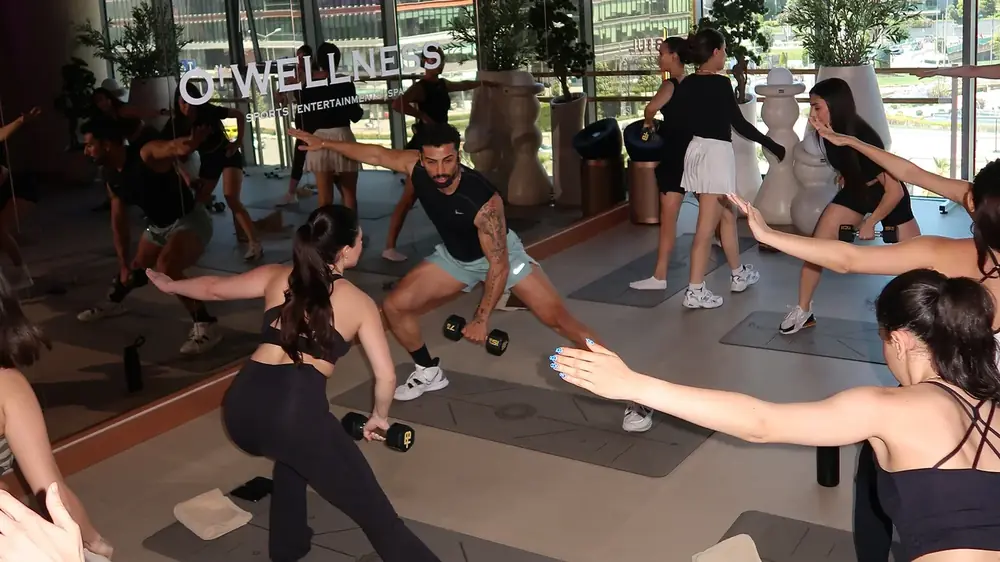
At O'Wellness Sky, you can talk with the instructors to choose, among the various group class formats, the one that fits your level and morning rhythm. Joining with a friend can also boost the motivation to get up in the morning. Remember, the first few classes are a discovery period; be kind to yourself.
Finally, respect for studio rules and other participants matters in morning classes too. Arriving on time, keeping your belongings tidy, and putting equipment back after use create a more comfortable environment for everyone. If you are late, follow the instructor's directions; if you have missed the warm-up part, do your own warm-up before moving into heavy movements.
Frequently Asked Questions
Is it right to go to a morning class on an empty stomach?
It depends on the person. Some are comfortable on an empty stomach, while others feel better with a light snack. Observe your own body's response; if you experience dizziness, eat something light beforehand.
What should I do if I can't keep up during class?
Make the movements smaller, lower the tempo, or take a short break. In group classes everyone moves at their own pace. Make use of the instructor's alternative movement suggestions.
I want to keep going to morning classes but my sleep routine is off. What should I do?
First try moving your bedtime earlier gradually. Start with one or two morning classes a week and increase over time. If your sleep problems continue, see a doctor.
Related posts

Cadence, Resistance and Heart Rate in Cycle Class: The Logic of Riding to the Beat
How to read cadence, resistance and heart rate together in a cycle class, the basics of riding efficiently to the music, and adjusting for your level.
Master Fit: Combining Strength, Cardio and Functional Movement in One Class
A guide to Master Fit for anyone looking for a functional group class. The structure and benefits of the class combining strength, cardio and functional movement at O'Wellness Sky.

Dance-Based Classes and Coordination: The Brain-Body Connection
The benefits of dance fitness are not limited to burning calories; how rhythm-based classes that develop coordination, balance and attention contribute to the brain-body connection.
