
Member Events: Workshops, Challenges and Community
How gym events increase motivation; the role of workshops, challenges and community gatherings in the membership experience, with examples from O'Wellness Sky.
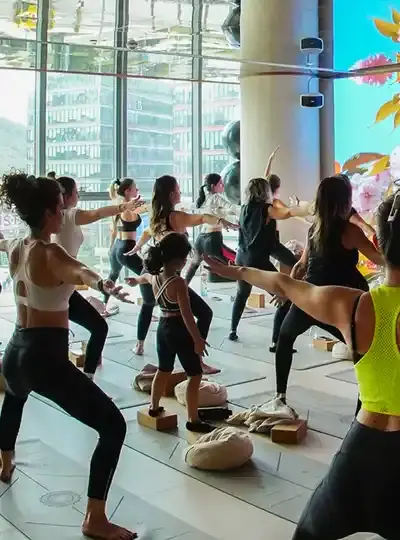
Members who come to a sports club only for the class schedule can experience fluctuations in motivation over time; members who take part in regular events, by contrast, generally develop a stronger sense of belonging to the facility. The concept of gym events covers activities outside the class schedule that enrich the membership experience, such as workshops, challenges and community gatherings. This article looks at why events of that kind are valuable and how they work at O’Wellness Sky.
Why member events matter
Regular group classes form the backbone of a training routine; however, workshops and community events serve a different function: they offer the chance to gain new knowledge, build social bonds and refresh your motivation by stepping outside your usual routine. A nutrition workshop can help a member review their habits outside training, for example, while a group challenge can create a sense of solidarity by directing members towards a shared goal.
Types of event: workshops, challenges, community gatherings
- Workshops: Informative sessions focused on a particular subject (correct reformer technique, stretching protocols, the basics of nutrition, for example), generally run alongside a specialist or trainer.
- Challenges: Structured programmes encouraging members' progress towards a shared goal over a particular period (4-6 weeks, for example).
- Community gatherings: More socially oriented events at which members come together outside training.
- Theme weeks: Periods focusing on a particular class format or goal, with additional content and information offered throughout that week.
The approach to events at O’Wellness Sky
As part of its boutique club culture, O’Wellness Sky aims to offer its members regular events in Skyland Istanbul. Alongside the group classes programme, the training team can plan workshops and theme-focused sessions periodically. For the current events calendar we recommend getting information from reception or the contact page. Most of the events can be linked to the following areas:
- Reformer Pilates Technique-focused small group sessions in the studio.
- sports physiotherapist and dietitian Information sessions that can be arranged with the participation of.
- team of trainers In-depth introductory sessions to a particular class format led by.
A comparison of event types and their benefits
| The event type | The main benefit | The suitable profile |
|---|---|---|
| A technique workshop | Knowledge of correct form and movement quality | Beginners, reformer users |
| A challenge programme | Motivation towards a short-term goal | Members wanting to build a habit |
| A community gathering | Social bonds and a sense of belonging | Long-standing members, new joiners |
The process of taking part in a challenge programme
Taking part in an example 4-week challenge programme generally proceeds with these steps:
- The event announcement is sent to members through reception or the communication channels.
- Members wanting to take part register; there is generally a quota limit.
- A short assessment is carried out at the start and each participant's current level is noted.
- The class or session targets set are tracked through the programme.
- At the end of the programme a short assessment is carried out with the participants and their progress reviewed.
What to watch for when taking part in events
- Assess your level correctly: Joining an intensive challenge programme without sufficient preparation can increase the risk of injury; speak to your trainer in advance.
- Share your health history: If you have a chronic condition, it is important to consult your doctor before joining a challenge programme.
- Set realistic goals: Excessive expectations of a short event can lead to disappointment when the programme ends; see the event as part of a long-term habit.
- Prioritise continuity: Rather than taking part in a single event and then stopping, building a routine with regular attendance provides more lasting benefit.
Events' contribution to a long-term habit
The most fragile period of a regular training habit is generally within the first few months; fluctuations in motivation are frequent in that period. Events such as workshops and challenges keep a member's interest alive by adding small breaks to the routine. A member who only attends weekly group classes, for example, may notice their own movement quality after a technique workshop and raise their motivation again. Likewise, the social bond built with other members at a community gathering can increase how often they come to the facility.
Event preferences by different member profiles
New members
Technique workshops are particularly valuable for members newly joining the facility; gaining early awareness of correct form and movement quality can reduce the risk of injury in the months that follow. A member new to reformer Pilates, for example, can get more out of their regular classes by attending a session explaining the basic principles of the movements.
Long-standing members
For members who have been training regularly for months, challenge programmes offer the chance to refresh their routine and work towards a new goal. Members with that profile generally want to take their current level up a step; a challenge programme offers that transition within a structured framework.
Members looking for a social bond
For some members, the social relationships they build at the facility are as important as the training itself. Community gatherings let members with that profile come together with other members and the training team outside training; that is an element strengthening a sense of belonging to the club.
Corporate and family members
In cases where several people use the facility under the same membership, an event that can be attended together helps a family or colleagues turn training into a shared activity.
Common mistakes in event planning
- Offering events too frequently and in a scattered way: An excessive number of events can confuse members about which to prioritise; a small number of well-planned events is generally more effective.
- Leaving the quota unclear: If the quota is not made clear, particularly in small group workshops, not finding a place at the last minute can create disappointment.
- Not holding a follow-up event: If no assessment is carried out with participants after a challenge programme ends, the motivation gained can be lost quickly; a short closing conversation or assessment session can reduce that risk considerably.
- Appealing only to advanced levels: Designing events only around experienced members can discourage beginners from taking part; options suited to different levels should be offered.
Suggestions for making the most of a workshop
- Look at any preparatory material before a workshop; that means more active participation during the session.
- Note down in advance the questions you are curious about relating to your own training history and do not hesitate to ask the trainer at the end of the session.
- Try to apply the technical knowledge you have learned consciously in your next regular class; knowledge only truly becomes lasting through repeated practice.
- Take short notes after a workshop; a few weeks later you can go back to those notes and compare your progress then with where you are today.
Integrating events with your weekly programme
Events do not replace the regular class schedule; they should be thought of as a layer complementing it. A member who attends group classes 3 days a week regularly, for example, can add variety to their routine and find the chance to refresh their motivation by attending a workshop or community gathering once a month. For examples of how to balance regular classes with periodic events when planning your weekly programme, Weekly Schedule page.
The role of community events in Sarıyer
In Sarıyer's wide geography stretching from Maslak to Zekeriyaköy, a natural social bond between members coming from different neighbourhoods can take time to develop. The community events held at O’Wellness Sky in Skyland Istanbul offer a platform that makes it easier for members with those different profiles to come together. For more information about the facility's general club culture see the About Us page, and for the gym selection criteria and transport information in the area Sarıyer Gym Guide. Its location, reachable in a short time from Maslak, Ayazağa and Levent, also makes it easier to attend evening events held after work.
Events' contribution to overall membership satisfaction
In the long run, a sports club's success is measured not only by the quality of its equipment but also by whether its members feel part of that facility. Regularly planned workshops, challenges and community gatherings are concrete tools reinforcing that sense of belonging and work as a natural extension of a boutique club culture.
Frequently asked questions
Is there a regular events calendar at O’Wellness Sky?
Events are planned periodically; for the current calendar, from reception or contact To plan a free trial day with your family or partner, you can find information on our
Can new members take part in challenge programmes?
Generally yes, but we recommend speaking to your trainer in advance to assess whether it is suited to your level.
Are workshops subject to an additional charge?
The scope can vary by event; for current information, Membership Coverage and terms can vary with the size of the family; for current information you can check the
Who can take part in the community events at Skyland Istanbul?
Generally all active members can take part; as some events may have a quota limit, we recommend registering in advance.
Can I take part in a challenge programme if I have a health problem?
If you have a chronic condition or a history of injury, it is important to consult your doctor and inform your trainer before taking part.
For current information about upcoming events, the workshop calendar and a free trial day, contact page.
Related posts
Rules for bringing guests and trial entitlements
How to bring a friend or family member to O'Wellness Sky under our gym guest policy, what the trial entitlement covers and the points to bear in mind.

How Are Membership Prices Set? A Transparent Look
A guide explaining transparently what makes gym prices vary - the effect of membership type, term and scope of use on pricing - and pointing you towards a current quote.

How to Choose a Sports Club Membership: Comparison Criteria in Sarıyer
What should you look for when choosing a sports club membership? Facility, class schedule, transport and contract criteria around Sarıyer and Skyland.
