
Group class etiquette: what everyone in the studio should know
Group class rules improve the experience for you and for the other participants. We have put together the practical points of etiquette to bear in mind in the O'Wellness Sky studios.
For someone joining a group class for the first time, one of the biggest worries is less about whether they will do the movements correctly and more the question of “how am I supposed to behave in the studio?”. Although group class rules are rarely shared as a written list, there is a set of practical points of etiquette that everyone knows but few talk about. In this article we put together the basic rules that will improve both your own experience and that of the other participants in the O’Wellness Sky studios.
Arrive on time, or even a little early
Walking into the studio after the class has started means both that you join the main section without warming up and that the flow of the class is interrupted. Arriving at least 5-10 minutes early lets you prepare your equipment, choose a suitable spot and have a brief word with the trainer. If you are new to group classes in particular, arriving early and telling the trainer you are new makes it easier to follow the class.
Use the equipment properly and put it back
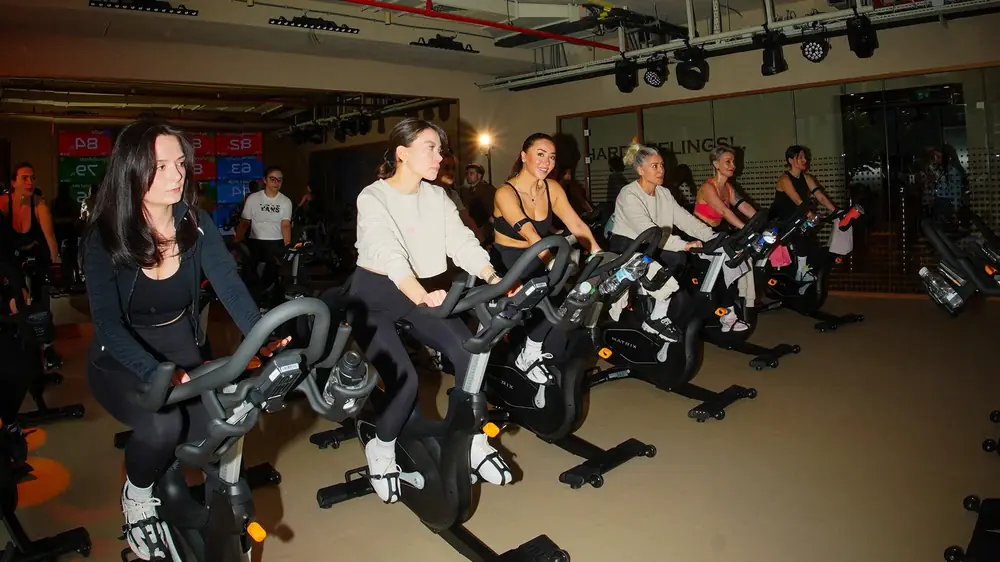
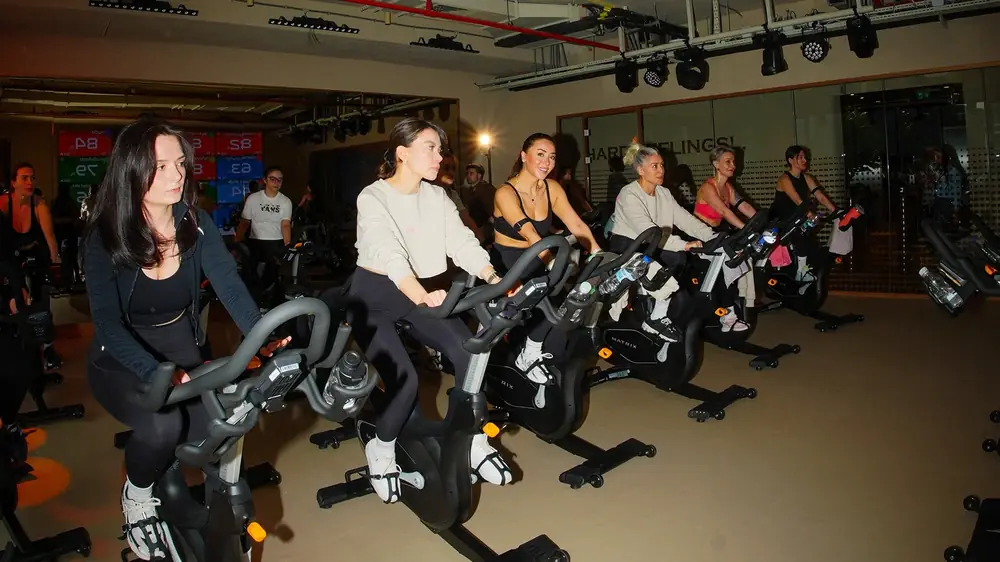
Leaving the equipment you have used - mat, weights, kettlebell or bike - clean and tidy at the end of the class both keeps the studio in order and lets the next class start smoothly. In classes such as O’Ride Cycle , wiping down the bike after use matters for hygiene and out of respect for the next participant.
Be mindful of noise and phone use
Talking on the phone, chatting loudly or leaving notification sounds on during a class can interrupt the trainer and make it harder for other participants to concentrate. Putting your phone on silent and checking it only in an emergency contributes to the general discipline of the studio.
Respect personal space
Especially in mat-based classes such as Mat Pilates or Vinyasa Yoga , it is important to place your mat so as to leave enough distance from other participants. In classes with a wide range of movement (where you open your arms or jump), taking care not to hit your neighbour is essential for both safety and comfort.
Pay attention to sweat and hygiene
Sweating after an intense class is natural, but not wiping down the equipment you have used or wearing strong perfume can bother other participants. Bringing a small towel and wiping down the equipment after every use is a simple way of maintaining the general standard of hygiene in the studio. At O’Wellness Sky you can come prepared by making use of the facility's towel and locker service by making use of it, you can come prepared on this point.
Avoid leaving in the middle of a class
Unless it is unavoidable, leaving a class halfway through both distracts the group and interrupts the trainer's flow. If you are struggling with a particular movement, continuing with a low-intensity alternative or resting briefly and carrying on is a better option than leaving the studio. If you really do have to leave, doing so quietly and between sections of the class where possible minimises the disruption.
Accept the level variations
Nobody expects everyone in a group class to be at the same level; trainers generally offer beginner, intermediate and advanced variations of every movement. As a beginner, not hesitating to choose the low-intensity alternative both reduces your injury risk and lets you complete the rest of the class. You do not have to compete with anyone; the real value of a group class is that it offers an environment in which you can focus on your own progress.
| Situation | The right behaviour |
|---|---|
| Arriving late | Where possible, do not join, or move quietly to the back |
| Using props | Clean it after use and put it back |
| Phone | Put it on silent and check it only in an emergency |
| A movement you find difficult | Choose the low-intensity alternative; do not leave the studio |
| Sweat and hygiene | Bring a towel and wipe down the equipment |
Do not hesitate to talk to the trainer
If you do not understand a movement or feel pain, telling the trainer is always the right choice rather than carrying on in silence. Trainers take feedback like this as part of their job and will show you a suitable alternative. If you feel discomfort in a sensitive area such as the lower back, knees or shoulders in particular, telling the trainer at the start of the class means suitable variations can be suggested throughout.
Who some rules matter most for
For classes that fill up at busy times (especially in the evening), you need to arrive on time and be more careful about saving a spot. Leaving extra space for pregnant participants or anyone who has recently had surgery, and taking care in formats with a wide range of movement, matters for both them and the participants around them. If you are in that situation, telling the trainer in advance is useful for both your own safety and the group's.
Common etiquette mistakes
- Focusing too much on the mirror or on yourself and forgetting the flow of the group: Checking your surroundings from time to time prevents collisions.
- Dashing off as soon as the class ends: Skipping the cool-down and stretching section affects your recovery and can be perceived as disrespectful to the trainer.
- Breathing out loudly or making unnecessary noise: Natural breathing sounds are normal, but exaggerated noises can bother other participants.
- Not sharing equipment: When equipment is limited at busy times, it is important not to occupy it while you are not using it.
Practical details in the O’Wellness Sky studios
In the 1,800 m² facility in Skyland Istanbul, Sarıyer, every studio (O’Soul, O’Rise, O’Hiit, O’Ride, Reformer) has its own equipment setup. As reformer classes have a maximum of 6-8 people per session, there is no issue of sharing equipment, but in other classes the amount of equipment can be limited at busy times, so arriving early is an advantage in popular classes in particular. After a class, the facility offers a towel and locker service.
Additional rules specific to different class formats
Some group classes come with their own additional points of etiquette. Budokon Yoga and other mindfulness-based classes, quiet and concentration matter particularly; you are expected to finish any conversation and settle before the class starts. Cardio Kickbox and other classes involving striking movements, judging your space correctly and leaving enough distance from your neighbour during punches and kicks is a critical safety matter. O’Hiit and other station-based classes, moving through in turn without disrupting the station rotation both preserves the flow and prevents equipment clashes.
A first-week checklist for new members
- Arrive at least 10 minutes before the class and introduce yourself to the trainer.
- Say that you are new, so the trainer can keep a closer eye on you.
- Choose a spot that suits you - neither too far forward nor too far back; somewhere you can see the trainer comfortably is ideal.
- Check the equipment before and after the class and leave it tidy.
- Giving the trainer brief feedback at the end of the class makes for a better experience next time.
The possible consequences of not following the rules
Not following etiquette generally carries no formal penalty, but over time it affects both your experience and that of other participants. Constantly arriving late or leaving equipment untidy can change how trainers and other members feel towards you, which can weaken your sense of being part of the studio community. It is therefore healthier to see etiquette not as an obligation but as a shared responsibility for everyone to have a better experience.
Additional tips for new participants
Rather than trying to remember all the rules at once in your first few classes, it is enough to focus on the basics (arriving on time, leaving the equipment tidy, talking to the trainer). Over time you will get used to the studio culture and pick up the other details naturally. Taking a look at ourreviewing it can also help you understand which classes suit you and the general differences between formats.
Frequently asked questions
can also help you understand which classes suit you and the general differences between the formats.
We recommend arriving on time so that you do not miss the warm-up if possible; if you are late, you can quietly move to the back row and let the trainer know with eye contact.
Where possible we recommend arriving on time so as not to miss the warm-up; if you are late, you can move quietly to the back and let the trainer know with eye contact.
Yes, drinking water during short breaks is normal and recommended, especially in intense classes; the important thing is to do it quietly.
Yes - drinking water in short breaks is normal and recommended, especially in intense classes; what matters is doing it quietly.
Do I need to bring equipment to O’Wellness Sky in Sarıyer?
No - the facility provides all class equipment; you may just want to bring a personal towel, and the facility also offers a towel service.
Instead of leaving the studio, ask the trainer for a lower-intensity alternative, or rest briefly and continue the class.
Is it hard to follow the rules as a beginner?
No, the basic rules (arriving on time, leaving equipment tidy, communicating with the trainer) become a natural habit within a few classes.
To experience the studio culture for yourself enquiry form To experience the studio culture for yourself,
Related posts
What Is Indoor Cycling (Spinning)? What Happens in O’Ride Classes?
What is indoor cycling, how does it differ from spinning, and how do heart rate zones work? We explain the structure of O'Wellness Sky O'Ride Cycle classes, who they suit and how often to take them each week.

A Guide to Group Classes: Formats, Levels and Choosing the Right Class for You
Cycle, HIIT, total body, booty, barre, Pilates and yoga; what the 24 group class formats at O'Wellness Sky do, who they suit and how to build a weekly class combination around your goals.
Cadence, Resistance and Heart Rate in Cycle Class: The Logic of Riding to the Beat
How to read cadence, resistance and heart rate together in a cycle class, the basics of riding efficiently to the music, and adjusting for your level.
