
Hammock (aerial) yoga: the benefits of inversions, and safety
The benefits of hammock yoga lie in the inversions and spine-lengthening movements performed with the support of fabric suspended from the ceiling. We explain the basic principles, the safety rules and who it suits.
Seeing a participant hanging upside down inside a wide piece of fabric suspended from the ceiling can be surprising for anyone encountering hammock yoga for the first time. However, the benefits of hammock (aerial) yoga lie precisely in the safe inversions and spine-lengthening movements that support provides. In this article we look in detail at how hammock yoga works, the basic safety rules, the possible benefits and who it suits.
What is hammock yoga?
Hammock yoga is a type of yoga practised with the support of a hammock made of wide, durable fabric fixed to the ceiling. The hammock takes some or all of the participant's body weight, making some postures more accessible than on a classic mat; it also offers a safe way into inversions (upside-down positions). The hammock can be used in different positions, including sitting, hanging, swinging and full inversion.
The key advantage the hammock provides: working against gravity
The spine, which spends most of the day standing or sitting, is under constant gravitational pressure. Hammock yoga offers positions that allow the spine to lengthen gently (traction) with the support of the hammock. Hanging movements like these are thought to help the muscles around the spine release and to temporarily reduce the pressure on the intervertebral discs. This effect can offer a particularly relieving experience for people who sit at a desk for long periods.
The flow of a typical hammock yoga class
- Warm-up and getting used to the hammock (10 min): Sitting in the hammock, swinging and work on feeling the basic support points.
- Basic postures (15 min): Forward bends, side reaches and gentle balance postures performed with the hammock's support.
- Partial inversions (10-15 min): Positions in which the hips are raised with the hammock's support and the spine is partly inverted.
- Full inversions (depending on experience, 5-10 min): Fully upside-down hanging positions, performed only by participants with sufficient experience.
- Relaxation (5-10 min): The class ends calmly with a cocooning position wrapped inside the hammock.
Safety: getting in, getting out and the basic rules
Safety is the most critical element of a hammock yoga class. In the first class, trainers show participants how to adjust the height of the hammock, safe techniques for getting in and out, and how to check their shoulder and neck alignment. The move into inversions is made gradually: in the first classes only partial inversions are usually tried, with full inversions added as experience grows. Regular checks of the hammock's carabiners and attachment points are a routine safety procedure carried out by the studio.
A comparison: hammock yoga and other types of yoga
| Feature | Hammock yoga | Vinyasa yoga | Deep stretch (yin) yoga |
|---|---|---|---|
| Pace | Low-moderate | Moderate to high | Low |
| Main focus | Spinal lengthening, balance, awareness | Cardio, strength, coordination | Fascia, relaxation |
| Equipment | A hammock suspended from the ceiling | A mat | A mat, blocks, blankets |
The potential benefits
- Spinal lengthening: Hanging movements done with the hammock's support can create a feeling of relief in the back and lower back.
- Balance and self-awareness: Balancing in the hammock can develop body awareness and core stability.
- Accessible flexibility work: The hammock's support can make some postures easier than doing them on a classic mat.
- Stress reduction: Gentle swinging movements and inversions can help calm the nervous system.
- Reducing joint load: With the hammock taking your weight, pressure on the joints can be reduced in some movements.
Level and modification variations
For beginners, the hammock's height can be adjusted to work closer to the floor, with partial inversions preferred over full ones. For experienced participants, the hammock height can be raised and full inversions and more complex transitions added. For participants with neck or shoulder sensitivity, inversions can be removed entirely and the hammock used only for supported flexibility work. Trainers recommend these modifications according to each participant's level of experience.
Common mistakes
- Getting into or out of the hammock in a hurry: Uncontrolled movements getting in and out can lead to a loss of balance; you should always move slowly and under control.
- Neglecting neck alignment: Not maintaining the natural alignment of the neck in inversions can cause discomfort.
- Moving on to a full inversion before you are ready: Trying full inversions without a sufficient period of adjustment can lead to a loss of confidence and a risk of injury.
- Holding your breath: Holding your breath in inverted positions can increase discomfort; breathing calmly and regularly is important.
Who it is not suitable for / who should approach it carefully
People with high blood pressure, glaucoma or other conditions involving raised intraocular pressure, or a history of uncontrolled dizziness, should avoid inversions or try them only with a doctor's approval and under a trainer's supervision. During pregnancy, inversions and positions that put pressure on the abdomen are not appropriate. People with a herniated disc, severe osteoporosis or recent shoulder/wrist surgery must consult their doctor before starting the class.
How is progress measured?
Progress in hammock yoga can be tracked through getting in and out of the hammock more fluidly, spending longer in partial inversions and feeling more confident about moving into full inversions. Being able to keep your breathing more comfortable and regular in inverted positions is also an important indicator of progress.
Equipment and clothing recommendations
For hammock yoga, choose clothing suited to movement in the air and not too baggy; loose clothing can cover your face in inversions or catch in the hammock. Long-sleeved, lightweight breathable fabrics improve comfort where the skin contacts the hammock. Removing accessories such as jewellery and watches is recommended for the safety of both the hammock and the participant.
Combining it with other classes
The calm, spine-focused nature of hammock yoga makes it a good option for recovery after an intense reformer pilates or a strength workout. Planned together with Deep stretch yoga , it can make up a comprehensive recovery day targeting both fascia and spinal comfort. For recovery strategies, see recovery guide .
Getting here from Sarıyer and the surrounding area
Hammock yoga is a limited-capacity class; as many participants are taken as there are hammocks, so booking is required. Our location within Skyland Istanbul makes it easier for members coming from Sarıyer and the Maslak area to make their booked time, and the complex's indoor car park means no parking problems in the evening.
The hammock yoga experience at O’Wellness Sky
O’Wellness Sky occupies 1,800 m² in the Skyland Istanbul complex in Sarıyer; hammock yoga classes are held in the O’Soul studio, with hammocks installed to the appropriate safety standards. For the weekly schedule, take a look at our weekly schedule page, and for our team of trainers, our trainers page. We offer a free facility tour and a one-day trial session before membership, so you can experience a hammock yoga class before signing up. For membership details, see membership page.
An example 4-week adjustment plan
- When starting a new family membership, the first month matters for everyone to find their own rhythm: Attending once a week; sitting in the hammock, swinging and feeling the basic support points.
- Everyone tries the different studios with the complimentary facility tour and trial session. Attending 1-2 times a week; partial inversions are tried and neck alignment reinforced.
- Each person identifies the 1-2 classes they prefer and gets into the habit of booking. Attending twice a week; balance and flexibility postures in the hammock are added.
- Planning an activity you can all join (a weekend swim or a group class together, for example). Attending twice a week; a gradual move to full inversions is considered depending on experience.
Breathing technique in hammock yoga
Breathing matters a great deal during hammock yoga, particularly in inversions. As blood flow changes direction in upside-down positions, keeping the breath slow, deep and regular helps the body adapt to that change more comfortably. Trainers generally recommend taking a few deep diaphragmatic breaths before moving into an inversion, keeping the breath calm while in the position and moving slowly when coming out. Sudden, fast breathing can increase feelings of dizziness.
More on hammock yoga and spinal health
The hanging movements done with the hammock's support can help the short muscles around the spine (the paraspinal muscles) release. In people who work sitting down for long periods, these muscles are usually chronically shortened and tense. The slow, controlled swinging movements done in the hammock can also support blood flow in the tissues around the spine. However, if there is an existing herniated disc or spinal instability, a doctor's approval must be obtained before practising hammock yoga; some hanging movements may not be appropriate in those cases.
Group class or one-to-one?
Hammock yoga is usually done in small groups, which lets the trainer keep a close eye on each participant's hammock settings and safety position. If you have a particular health condition or injury history, taking the first few classes one-to-one can help you learn the basic safety techniques faster. For personal needs, one-to-one sessions can be arranged under special services one-to-one sessions can be planned within it.
Conclusion
In short, hammock yoga offers a different and complementary experience both physically and mentally. The benefits of hammock yoga come together in the spinal lengthening, balance and relaxation effects combined with the safe support the hammock provides. Following the right safety rules and with modifications appropriate to your level, it is an accessible practice for beginners and experienced participants alike. If you have any health concerns, it is important to consult your doctor before starting the class. As your confidence in the hammock grows over time, you can explore the different postures and transitions this dynamic practice offers at your own pace, safely and enjoyably.
Frequently asked questions
Is hammock yoga safe?
Practised with correct installation, regular equipment checks and under a trainer's supervision, hammock yoga is a safe practice. Beginners move into inversions gradually and always work with the trainer's support.
What should I do if I feel dizzy?
If you feel dizzy during an inversion, you should come out of the position slowly, return to normal and tell your trainer. Drinking enough water and getting used to it gradually can help reduce that feeling.
Do I need previous yoga experience for hammock yoga?
No - hammock yoga is suitable for beginners too. The hammock's support can make some movements more accessible than in classic yoga; trainers recommend modifications to suit your level.
Why choose O’Wellness Sky for a hammock yoga class in Sarıyer?
Regular hammock yoga classes are offered in our O’Soul studio in Skyland Istanbul with hammocks installed to the appropriate safety standards and experienced trainers; they feature in the same weekly schedule as other types of yoga.
Does hammock yoga help with back pain?
The gentle spinal lengthening the hammock provides can help ease back tension in some people; however, if you have an existing back condition it is important to consult your doctor before starting the class.
To start your hammock yoga experience, plan your free trial day on our contact page.
Related posts
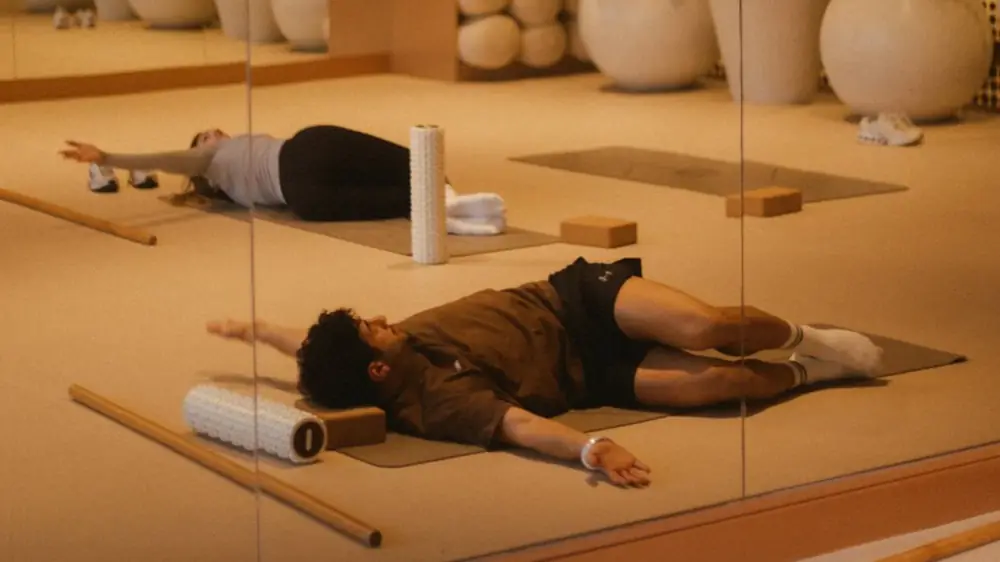
The Relationship Between Thoracic Spine Mobility and Shoulder Pain
A lack of thoracic mobility can set the stage for shoulder pain. In this article we look at the movements that increase the range of motion in the upper back and their relationship with shoulder health.
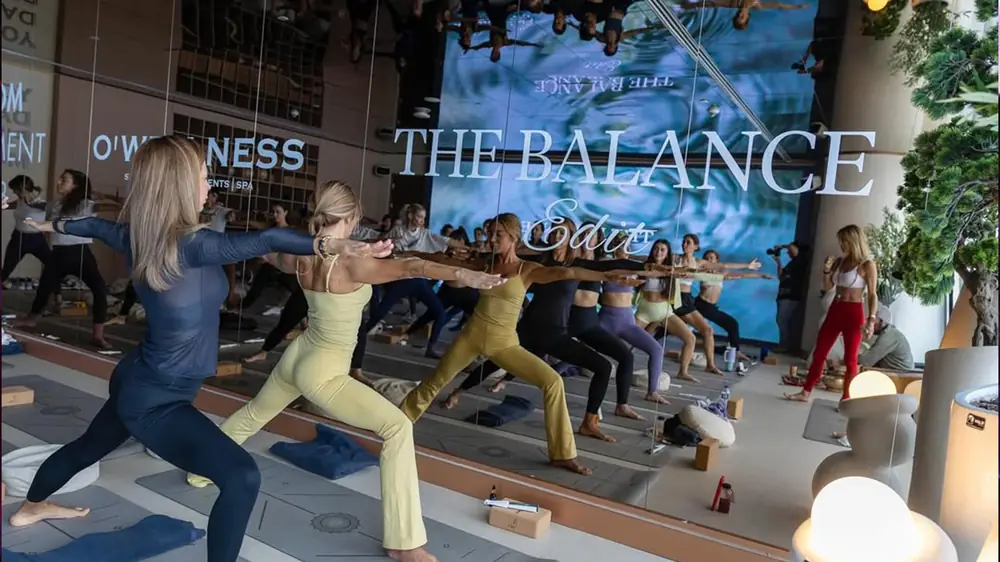
Balanced yoga: the balance between strength and flexibility
Balanced yoga, an approach built on balance, brings dynamic strength work together with flexibility-focused movement in the same class. We explain its structure, its benefits and who it suits.

Yoga and sleep quality: evening practices and a 20-minute routine before bed
Yoga for sleep supports sleep quality through gentle movement and breathing techniques that calm the nervous system. We explain a 20-minute practice suited to an evening routine and the points to watch out for.
