
What Is Yoga Nidra? Calming the Mind with a Deep Rest Practice
Yoga nidra is a guided practice that aims at deep rest without sleeping. How it is done, who it suits and how it supports training recovery.
Although yoga nidra is translated as "yogic sleep", it is really a guided practice aiming at a state of deep rest with conscious awareness, without sleeping. You lie on your back, follow an instructor's voice and take a step-by-step journey through body, breath and feelings. It is a calming and accessible tool for busy people, those who do not sleep enough or those who want to recover after training. We explain this practice and its benefits for members interested in yoga and rest sessions at the O'Wellness Sky studio in Skyland Istanbul.
What is yoga nidra?
Yoga nidra aims to create a state between sleep and wakefulness, often described as "awake rest". It does not require physical effort like traditional yoga postures. During the session you lie on the floor or on a mat and listen to the instructor's guidance. The aim is to release the body completely and keep the mind calm with gentle focus.
The practice has roots in old yoga traditions; today it is offered in studios, in hospital support programmes and in sports clubs, in various adaptations. Different instructors may use different sequences, but the common point is that you let yourself be guided rather than steering yourself.
In modern life the mind often works in a constantly stimulated state. Yoga nidra offers a structured method to reduce this feeling of stimulation. For those new to meditation it can be an easier doorway than concentrating while sitting.
The lying position and an outside voice gently call you back in moments of distraction. This structure is a great help for many people who struggle with self-led meditation.
Another advantage of the practice is time flexibility. Short versions can be done even on busy days; long versions are a good weekend reward. Adjusting the dose to your own calendar makes the practice sustainable.
How does a session unfold?
A typical yoga nidra session lasts between thirty and fifty minutes. The lying position should be comfortable; a blanket, bolster or pillow under the knees provides support. A session generally consists of the following stages:
- Setting an intention: a short, positive intention sentence is chosen at the start.
- Body scan: the instructor moves your attention through body regions in order.
- Breath awareness: the natural flow of breath is observed, not changed.
- Observing sensations and opposites: sensations such as heaviness-lightness and warm-cold are noticed.
- Visualisation: a calm scene or image is pictured in the mind.
- Return: you gently come back to everyday awareness with body movements and breath.
You may fall asleep during the session and this is not a mistake. Especially in sleepless periods, let the body meet its need. Over time the ability to stay awake develops.
Do not jump up straight after the session. First move your fingers and toes, take a deep breath, roll to one side to rise and sit for a few minutes. A slow transition prevents dizziness and helps you carry the calm of the practice through the day.
Possible benefits of yoga nidra
People who practise regularly generally report reduced tension, a calmer mind and easier sleep. Because this practice supports the parasympathetic side of the nervous system, linked to rest and digest, it may help with stress management. Although scientific studies report promising results in this area, yoga nidra is not a medical treatment and does not replace specialist support in serious health problems.
Another benefit for athletes and regular exercisers is recovery. Consciously making time for body and mind to rest in heavy training weeks can help protect performance and motivation. Rest is as important as the training programme itself.
Many people think of rest as "doing nothing"; yet conscious rest is a skill and can be learned. Lying down without looking at the phone, without feeling an obligation to do something, is a rare experience today. That experience itself is valuable for many people.
How to combine it with training
Yoga nidra is a good complement on the evening of a heavy training day or on a rest day. Straight after strength or cardio training you can use a short part of it as a cool-down; but a calm environment is more suitable for a full session.
In the evening, twenty minutes of yoga nidra before bed can ease the transition to sleep. As a short break during the day, it is also possible to refresh the mind with a fifteen-minute version. What matters is to practise regularly and without expectation.
Even one or two sessions a week can make a difference; but short five-minute versions every day can be valuable too. When adding the practice to your daily routine, choosing the same time and place helps you avoid making excuses.
Tips for first-timers
Choose a comfortable, warm environment; take a blanket if the temperature is low. Avoid heavy meals and caffeine before the session. Silence your phone and choose a time when you will not be interrupted. Putting a small support under the neck and a bolster under the knees gives lower-back comfort.
Do not criticise yourself when your mind wanders. Thoughts coming and going is normal. Gently returning to the instructor's voice is part of the practice. After one or two sessions the question "am I doing it right" fades and the process becomes more natural.
Recorded sessions are an easy option for home use; still, live sessions with an instructor offer a different experience in both the quality of guidance and group energy. It is possible to use the two in balance.
Who needs to be careful?
Yoga nidra is generally considered a safe practice, but some people may need care. People with a history of trauma may feel discomfort during the body scan or while lying with eyes closed. In that case keeping the eyes open, shortening the session or consulting a specialist may be appropriate. People with serious signs of depression or anxiety should not substitute this practice for their treatment and should evaluate it with their doctor.
Pregnant women should prefer lying on the left side instead of on their back and let the instructor know. Those with lower-back or neck issues should use a supported position.
Feeling cold during the session is common, because body temperature drops slightly while lying still. Keep a blanket or thin cover beside you. And if closing the eyes bothers you, resting a soft gaze on the floor or placing a light cover over the eyes can be alternatives.
Starting the practice
Yoga nidra is a small refuge you can set aside in the middle of a fast life. It requires no equipment, flexibility or experience; lying down and listening is enough. At O'Wellness Sky you can get information from our instructors about rest-focused practices alongside yoga and mobility sessions. If you are ready to take the first step in resting your body and mind, we are waiting for you in our studio.
Related posts
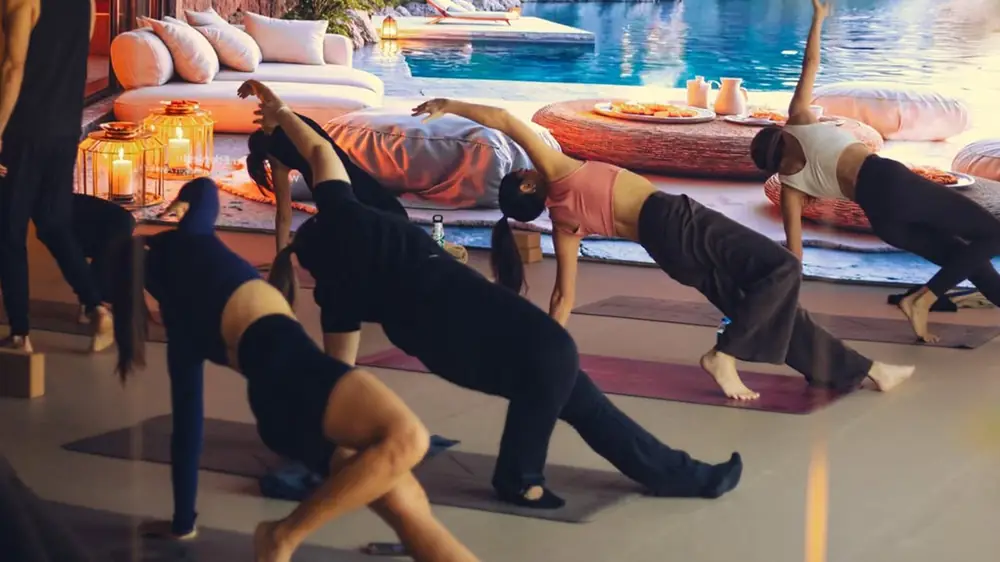
Side Bends in Yoga: The Forgotten Side Line of the Trunk
In daily life we bend forward and lean back, but we rarely reach to the side. We explain what side bends add to the trunk, the basic poses, and how to reach without crushing the ribs.
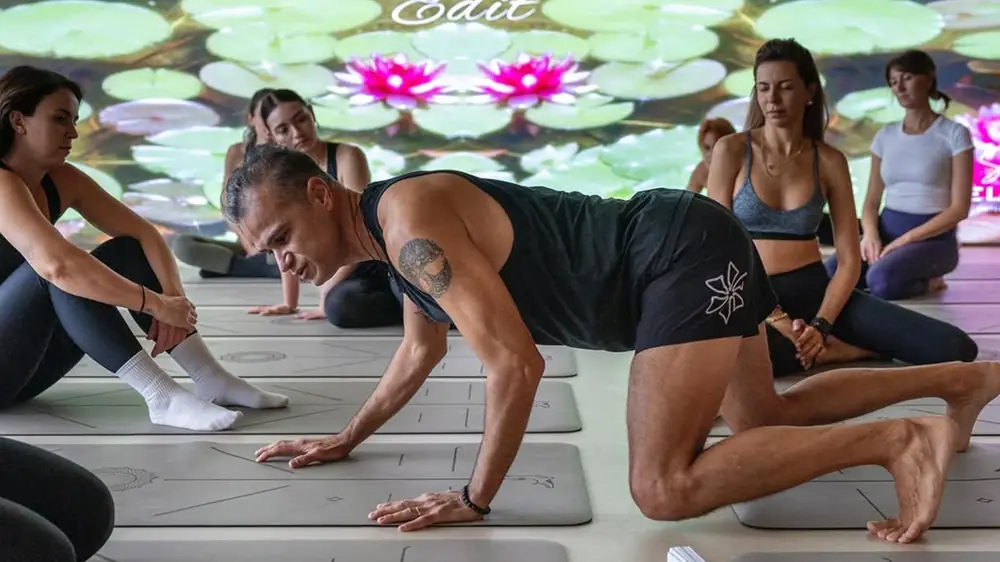
Yoga for Men: Breaking the Flexibility Myth
For men, yoga builds not only flexibility but strength, balance and breath control. We look at the common prejudices, the real benefits and practical tips for getting started.

Yoga and Strength Training: How Do They Complement Each Other?
Practised together, yoga and fitness support each other in terms of mobility, strength and recovery. We share how to integrate the two into your weekly programme, plus an example plan.
