
A Morning Yoga Routine: Starting the Day in 15 Minutes
A morning yoga routine can be a practical way to start the day feeling energised and balanced. You will find a step-by-step 15-minute flow and a weekly practice recommendation in this article.
Rather than reaching straight for your phone when the alarm goes off, starting the day with a few minutes of conscious movement is a practical way of both waking the body and preparing the mind for the day. A morning yoga routine gently mobilises the joints that have stayed still through the night and supports mental clarity with breathwork. In this article we share a step-by-step 15-minute morning flow, its modifications and a suggested weekly practice.
Why morning yoga?
Because the body stays in the same position for long periods during sleep, a mild feeling of stiffness in the joints and muscles is common in the morning. Gentle movement and stretching can help reduce that stiffness by increasing blood circulation. In addition, slow, breath-focused movement done in the morning can contribute to starting the day calmer and more focused by supporting the parasympathetic nervous system. A morning routine, even a short one, can make a difference to your sense of posture and energy through the day when done regularly.
A 15-minute morning yoga flow
- Breathing lying in bed or on a mat (1 min): Lie on your back, place your hands on your abdomen and take deep diaphragmatic breaths.
- Knees to chest (1 min): Draw the knees to the chest in turn and rock gently to soften the lower back area.
- Cat-cow (2 min): In a four-point kneeling position, move the back up and down in sync with the breath.
- Downward-facing dog (1-2 min): Lift the hips up to form a V shape; you can keep the knees slightly bent.
- Low lunge transitions (2 min): Step one leg forward and stretch the hip flexor, then change to the other side.
- Standing forward fold (1 min): Standing with the knees slightly bent, let the trunk hang forward and relax the neck and shoulders.
- A sun salutation-like flow (3 min): Arms up, forward fold, low lunge, plank and downward-facing dog in sequence, repeated for 2-3 rounds.
- Standing trunk twists (1 min): With the arms open, the trunk is turned slowly to the right and the left.
- A seated closing breath (2 min): The flow is completed with a few deep breaths sitting cross-legged or in a chair.
Modifications by level
Beginners can keep the knees bent in the downward-facing dog and low lunge positions and lean lightly on a chair or wall for balance. Those with marked back or hip stiffness in the morning can spend longer on the cat-cow and knees-to-chest movements. Those practising at an advanced level can increase the number of rounds of the sun salutation flow or hold the plank position for longer. People who experience low blood pressure or dizziness in the morning should move slowly when standing up and avoid sudden changes of position.
Common mistakes
- Going into deep movement with cold muscles: Rather than pushing the range in the first movements of the morning, allow a gradual warm-up.
- Overlooking the breath: Doing the movements quickly without synchronising them with the breath can reduce the calming effect of the routine.
- Not putting your phone down: Looking at notifications during the routine greatly reduces the mental benefit.
- Inconsistent practice: A short routine every day generally builds a more lasting habit than one long session a week.
Who it is not suitable for / who should approach it carefully
People with an acute back, hip or shoulder injury should keep the movements well short of the pain threshold and consult their doctor if necessary. During pregnancy, avoiding long periods in supine positions, particularly from the second trimester, and modifying dynamic flows such as the sun salutation with a doctor's approval are recommended. Those experiencing chronic dizziness or balance problems should stay close to a support in standing movements.
A suggested weekly practice
| Day | How to do it |
|---|---|
| Monday-Friday | The full 15-minute flow, before the working day |
| Weekend | A shortened 10-minute version or a group class |
Doing the routine at the same time every day can make it easier to build the habit; setting a fixed time slot while the coffee is brewing or right after your shower, for example, is a practical method.
Equipment and setting
Only a yoga mat is needed for this routine; no extra space is required and it can be done easily in a bedroom or a corner of the living room. For those who want to practise in an organised environment, there are suitable class options in the morning in O’Wellness Sky’s group classes suitable class options are available in the studios during the morning hours.
Combining it with group classes
If you would like to support the morning routine you do at home with a more structured practice, the Vinyasa Yoga class offers similar flowing transitions in a more comprehensive format. Those who prefer a slower and calmer pace can try the Balanced Yoga class, and those wanting a different experience with hammock support can consider the Hammock Yoga option. For general mobility work you can also look at the Mobility & Stretching class. For general information about yoga and the group classes, see our group classes guide .
Measuring progress
The most practical way of measuring the benefit of a morning routine is to note the level of energy and ease you feel at the start of the day over a few weeks. Over time you may notice that the stiffness felt in the mornings decreases and that you can move more comfortably in positions such as downward-facing dog. Subjective observations of that kind, although they are not a numerical measurement, are valuable in terms of the sustainability of the routine.
Deepening the routine with breathing techniques
A simple breathing technique that can be added to a morning routine is the box breathing approach of breathing in for four seconds, holding for four and releasing slowly over six. That technique, particularly when applied in the closing breath section, can help calm the nervous system and start the day less stressed. Breathing through the nose tends to provide a deeper and more controlled diaphragmatic movement than breathing through the mouth. Synchronising the breathwork with the movement - breathing in as the arms rise and out as you fold forward, for example - can strengthen both the physical and the mental effect of the routine.
A 4-week habit plan
| Week | Goal | How to do it |
|---|---|---|
| Week 1 | Building the habit | 3 days a week, a shortened 10-minute flow |
| Week 2 | Continuity | 5 days a week, a 12-minute flow |
| Week 3 | The full routine | 5-6 days a week, the full 15-minute flow |
| Week 4 | Charged separately per session, high | Adding and removing movements according to your own needs |
This gradual approach aims to turn the routine into a sustainable habit without the pressure of doing it perfectly from the start. Even if you can only set aside 5 minutes on some mornings, a short version is more valuable than not doing it at all.
A morning routine and energy through the day
Regular morning movement can support not only physical flexibility but also your general sense of energy through the day. A light cardiovascular stimulus (such as the sun salutation flow) can contribute to mental alertness by increasing blood circulation. In addition, using the morning routine as a “transition ritual” - creating a conscious moment of transition from sleep into the day - can help you feel less rushed and more in control through the day. These effects can vary from person to person; what matters is adapting the routine to your own needs. After a tired or sleepless night, limiting the routine to just the breathing and gentle stretching section rather than skipping it entirely can be a more useful middle way than not moving at all.
What to watch for beyond equipment
Although no special clothing is needed for a morning routine, comfortable, stretchy clothing does not restrict your range of movement. The room temperature not being too cold can help the muscles relax more easily. Drinking a glass of water before the routine can help balance out the mild fluid loss that develops overnight and help you start the routine feeling fresher and less sleepy.
Frequently asked questions
How early do I need to get up for a morning yoga routine?
For a 15-minute routine it is enough to get up 15-20 minutes earlier than your normal time; as the habit becomes established, that time becomes a natural part of your daily routine.
Is it a problem to do yoga on an empty stomach?
A light-paced morning routine can generally be done quite comfortably on an empty stomach; however, if you feel dizzy or weak, trying it after a light snack may be more suitable.
Is morning yoga more effective than evening yoga?
Both can have different benefits; a morning routine can help you come alive as you start the day, and an evening routine can help you let go of the day's tension. The choice depends on your personal routine.
Are there yoga classes in the morning in Sarıyer?
Yes - as O’Wellness Sky in Skyland Istanbul is open from 06:00 on weekdays, you can attend a variety of yoga and mobility classes in the morning.
Can someone who has never done yoga follow the morning routine?
Yes - this flow consists of basic movements and is suitable for beginners with modifications; any movements that cause pain can be skipped or made smaller.
To take your morning routine to the next level, enquiry form fill in the form and let us recommend the right yoga class for you.
Related posts
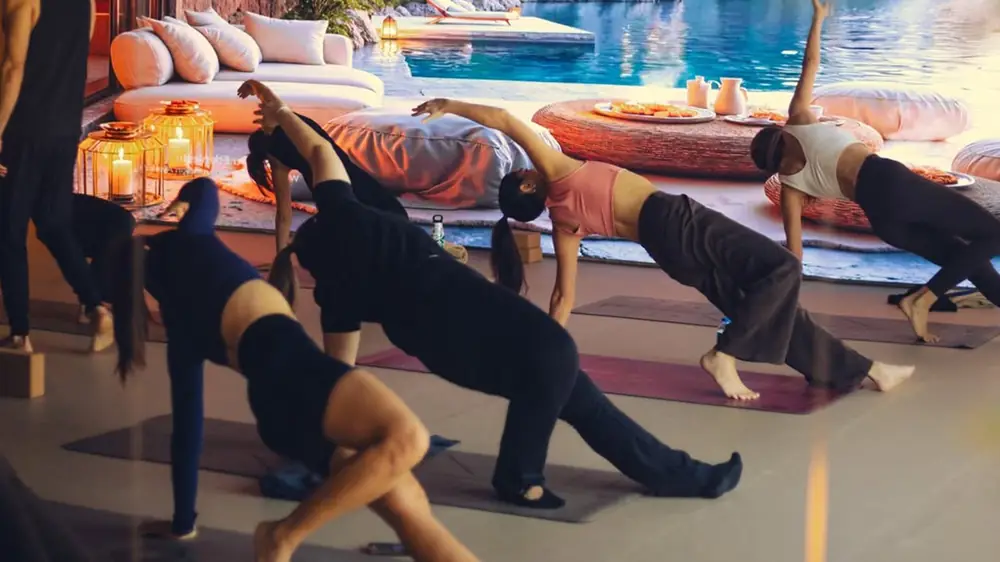
What is vinyasa yoga? The basics of linking breath and movement
The answer to the question of what vinyasa yoga is lies in flowing sequences of movement synchronised with the breath. We explain the basic principles, an example class and who it suits.
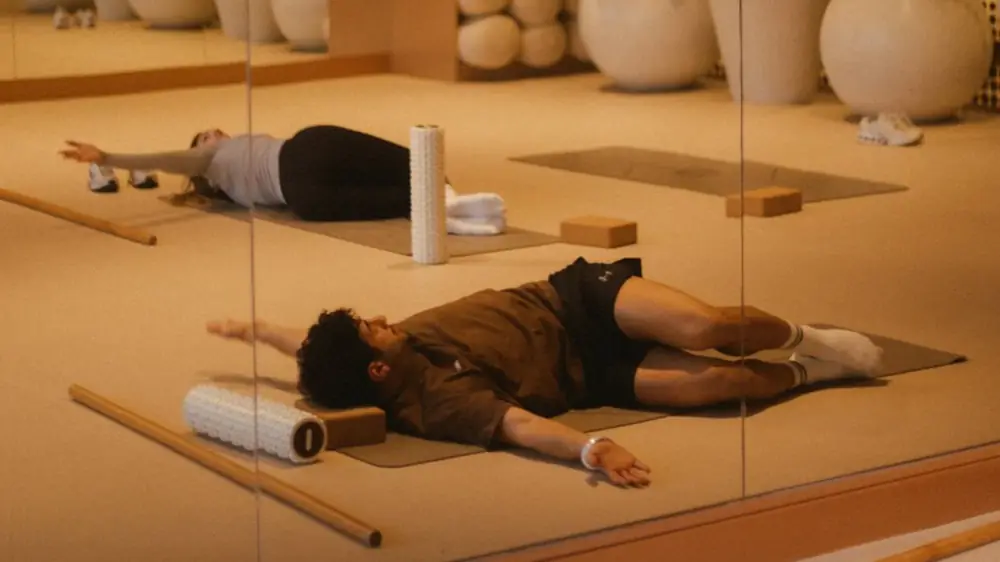
Dynamic vs static stretching: when to use which?
What is the difference between dynamic and static stretching, and which should you choose before and after training? We explain the science and the practical application.
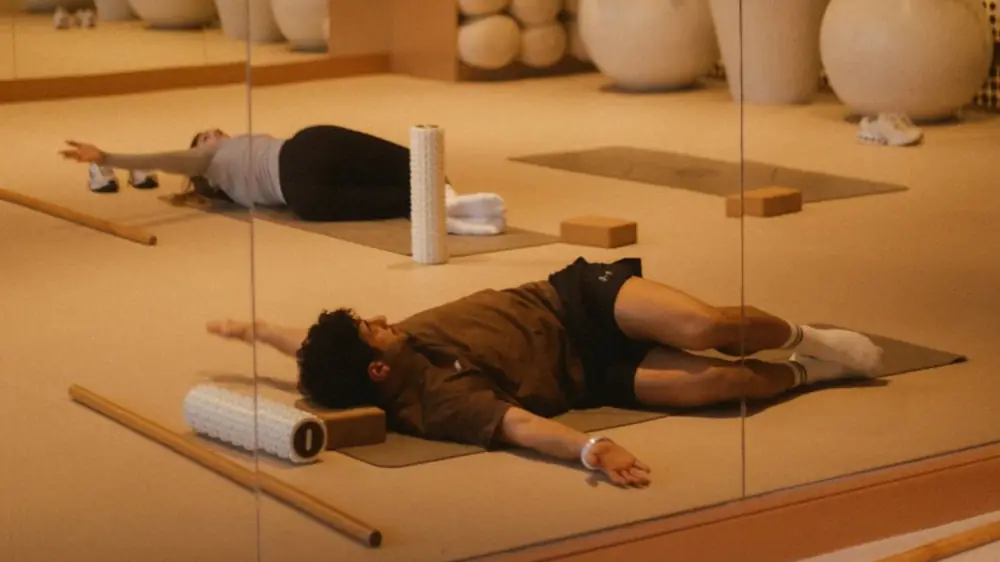
How Do You Use a Foam Roller? A Guide to Myofascial Release
We answer the question of how to use a foam roller, with techniques by area, recommended durations and the common mistakes. Myofascial release is a practical tool both before and after training.
